Boost Your Business With Cutting-Edge Commercial Architecture Services
Creative commercial architecture holds a significant place in defining business achievement. Through the harmonious blending of functionality and aesthetics, it strengthens both productivity and brand identity. Eco-conscious design approaches not only reduce operational expenses but also foster healthier work environments. As businesses evolve, so do their spatial needs. Recognizing how architectural design shapes these factors can uncover fresh opportunities for growth and collaboration. The following insights will explore these themes further.
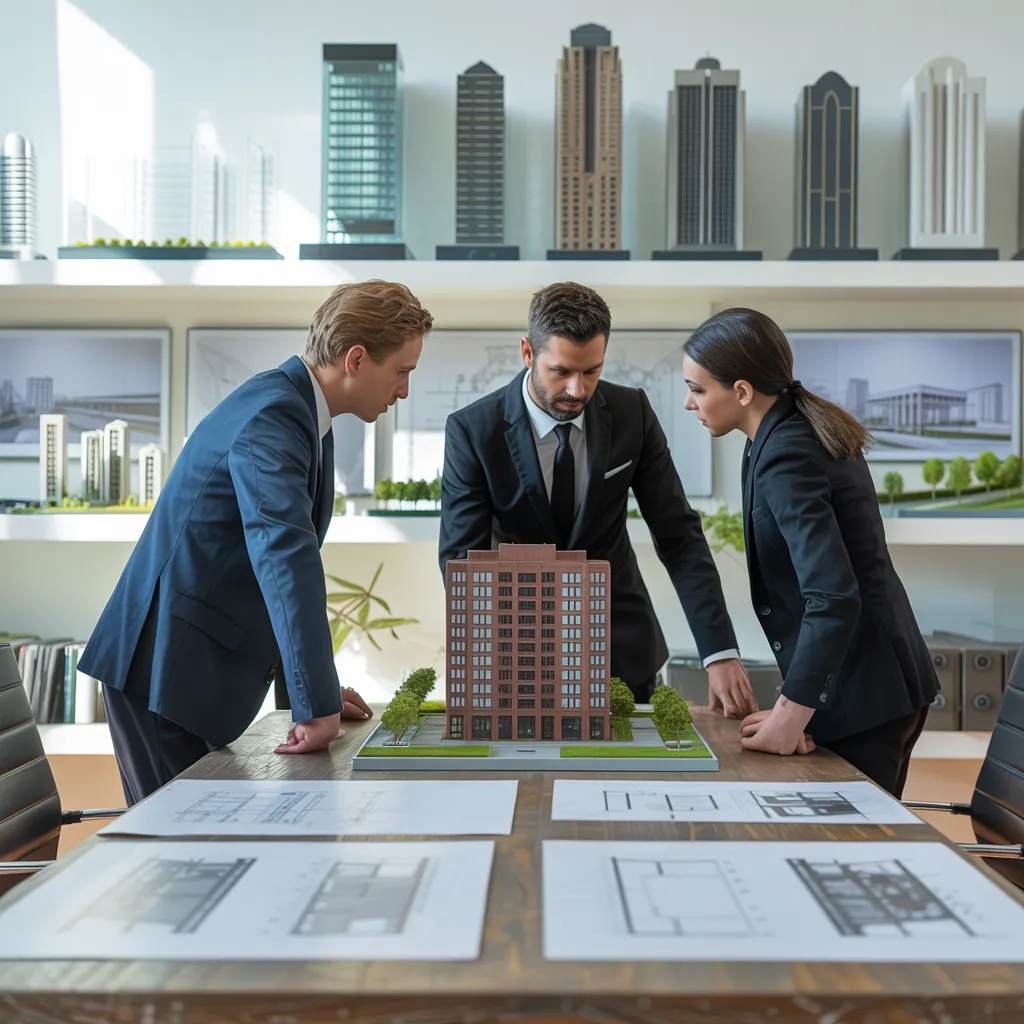
The Importance of Innovative Commercial Architecture for Your Business
Revolutionary architectural design for businesses revolutionizes the way businesses conduct operations within their surroundings. This methodology highlights not just visual appeal but functionality, cultivating spaces that improve output and collective engagement. By embedding environmentally responsible approaches and emerging technologies, organizations can cut operational overhead while appealing to sustainability-focused clients.
Additionally, original design approaches build memorable brand identities that bring in clients and enhance workforce morale. The design of a office space can considerably affect productivity and innovation, making cutting-edge architecture essential for keeping a competitive advantage in the modern marketplace.
As organizations develop, the necessity for versatile environments becomes critical. Innovative commercial architecture allows for flexibility in design, addressing future development and evolving operational demands. At its core, it offers a competitive edge by harmonizing physical environments with broader business goals, ultimately encouraging achievement and strengthening the relationship between the organization and the communities it serves.
Essential Features of High-Impact Commercial Architecture
High-impact commercial architecture is characterized by multiple critical features that elevate both practicality and aesthetic value. Key elements include efficient space planning that optimizes usability, sustainable design practices that minimize environmental impact, and striking visual elements that appeal to and engage clients. Combined, these elements establish a vibrant environment that advances business goals and encourages a positive user experience.
Practical Space Planning
Strategic functional space planning converts commercial architecture into a valuable asset for businesses. By focusing on well-designed layouts, it improves workflows and maximizes productivity. This method encompasses assessing the particular demands of a business and assigning space strategically, making certain that areas for teamwork, focus, and storage are deliberately crafted. Impactful commercial architecture integrates adaptable spaces that respond to shifting needs, enabling businesses to grow without expensive renovations. Additionally, intuitive navigation and accessibility are key components, fostering a positive environment for employees and clients alike. At its core, purposeful space planning not only enhances the utilization of square footage but also cultivates a dynamic atmosphere that resonates with the brand's identity, driving overall business achievement and employee well-being.
Sustainable Design Practices
Incorporating eco-conscious design principles is critical for today's commercial architecture, as it emphasizes ecological accountability while elevating the aesthetic and operational aspects of a space. Such approaches often include using eco-friendly materials, maximizing energy conservation, and implementing sustainable energy systems. Furthermore, green building designs support water efficiency and enhanced indoor air quality through advanced airflow solutions and vegetative roofing. Applying these methods not only lowers a structure's environmental impact but also reduces overall maintenance costs. Moreover, sustainable architecture cultivates a healthier environment for inhabitants, resulting in enhanced efficiency and comfort. As businesses acknowledge the significance of sustainable business practices, implementing eco-friendly design approaches becomes a crucial aspect of high-impact commercial architecture, harmonizing business interests with sustainable practices.
Visually Appealing Aesthetics
A commitment to eco-friendly design approaches commonly produces a deeper understanding of aesthetic beauty in business architecture. This relationship develops areas that not only satisfy operational demands but also resonate with their surroundings. Elements such as sunlight, sustainable materials, and vegetation enrich a structure's visual appeal, amplifying its visual significance. An aesthetically pleasing structure draws customers and cultivates an uplifting atmosphere for employees. Design elements such as unique facades, innovative layouts, and harmonious color schemes can significantly enhance a brand's identity. At its core, incorporating visual attractiveness into eco-friendly structures not only showcases a dedication to ecological stewardship but also guarantees that the structure stands out in a demanding commercial landscape, thus strengthening the organization's identity and core values.
Picking the Perfect Commercial Architecture Partner for Your Goals
What is the best way to find the best commercial architectural firm for their project? This process begins with defining clear project objectives and requirements. A comprehensive assessment of potential partners should include analyzing their past work, paying close attention to their industry experience and creative approach. Customer testimonials and professional references can shed light on their professional reliability and teamwork capabilities.
Additionally, evaluating the agency's expertise in sustainable practices and relevant regulations is crucial. Communication and project management skills also carry great weight; a collaborator should show the capacity to express ideas with clarity and provide prompt status reports.
Budget compatibility is another critical factor, as clear pricing structures can avoid potential disputes. Participating in preliminary meetings provides insight into compatibility and reveals the firm's problem-solving methodology. Ultimately, selecting a commercial architecture partner involves a wide-ranging assessment of professional qualifications, interpersonal dynamics, and alignment with project aspirations.
Notable Design Case Studies in Commercial Architecture
One noteworthy example features a retail business that employed biophilic design strategies, incorporating natural light and greenery. This design philosophy elevated the customer experience and drove higher foot traffic, which translated into increased sales.
In addition, the headquarters of a tech firm showcased an open floor plan that encouraged engagement between team members, substantially boosting operational efficiency and workforce satisfaction. These examples demonstrate how purposeful architectural planning can uplift organizations, strengthen workplace functionality, and create inviting environments that engage those within the space, consequently propelling success and expansion in the business landscape.
Why Your Brand Should Embrace Sustainable Design?
With numerous brands seeking to make their mark in a competitive landscape, integrating sustainable design can greatly enhance their identity and appeal. Companies that prioritize eco-friendly practices often attract environmentally conscious consumers, fostering loyalty and trust. Eco-conscious design not only demonstrates a company's dedication to corporate responsibility but also sets it apart as a progressive pioneer in its respective field.
Furthermore, environmentally conscious construction tends to produce economic advantages by means of energy efficiency and minimized day-to-day expenses. This real-world advantage aligns with the elevated brand standing, as consumers increasingly favor companies that exhibit an authentic focus on eco-conscious practices.
With regulations surrounding environmental impact grow more stringent, companies embracing eco-friendly design approaches can remain compliant with compliance requirements. Ultimately, embracing sustainability in architecture functions as a long-term business strategy, solidifying brand identity as well as attracting an expanding consumer base, consequently driving long-term success and relevance across an ever-shifting competitive environment.
How Purposeful Architecture Elevates Employee Productivity
A well-designed workspace greatly contributes to enhancing employee productivity. Deliberate architecture considers factors such as sunlight exposure, floor plan design, and noise control, which directly influence workplace efficiency. Offices that favor open layouts promote collaboration, while reserved private spaces support focused work, achieving harmony between teamwork and individual tasks.
Including natural elements, such as greenery and exterior vistas, can lower stress levels and boost creativity, ultimately enhancing workplace productivity. Ergonomic furniture design additionally promotes employee comfort, decreasing tiredness and supporting longer periods of focused work.
Additionally, versatile work environments that accommodate different activities encourage innovation and collaboration. By recognizing and applying these architectural concepts, organizations can develop spaces that boost productivity while nurturing employee well-being. In the end, committing to intentional architectural design is a calculated decision that connects employee check here fulfillment with business achievement.
Upcoming Trends in Commercial Architecture to Keep an Eye On
What transformative changes are shaping the future of commercial architecture? A major trend gaining momentum is the heightened attention to sustainability. Architects are incorporating sustainable materials and energy-conscious designs to minimize carbon footprints and support environmental stewardship. Moreover, biophilic design is becoming increasingly prominent, focusing on natural elements to improve well-being and efficiency within work environments.
One notable development is the rise of dynamic and reconfigurable spaces. As businesses evolve, the need for multifunctional environments that can be readily transformed is proving essential. This flexibility facilitates multiple working approaches and cooperative endeavors.
Moreover, innovations in technology, such as smart building technologies and virtual reality, are transforming design and construction processes. These innovations enable architects to craft spaces that are more efficient, responsive, and user-centric.
Common Questions and Answers
What Are the Fees Connected to Innovative Commercial Architecture Services?
The financial considerations surrounding innovative commercial architecture services typically include design fees, materials, labor, permits, and project management. These costs may differ according to location, project complexity, and individual client needs, influencing overall budget considerations.
What Is the Typical Duration of a Commercial Architecture Project?
A typical commercial architecture project generally takes between six months to two years to complete, based on considerations such as project size, complexity, client specifications, and regulatory approvals, which can significantly impact the overall timeline.
What Impact Does Technology Have on Modern Commercial Architecture?
Technology significantly improves present-day commercial architectural practice by refining and accelerating design procedures, strengthening cooperative efforts through Building Information Modeling (BIM), enabling precise simulations, and promoting environmentally responsible methods. These advancements ultimately lead to greater efficiency, creativity, and affordability in architectural solutions.
Can Commercial Architecture Adapt to Changing Business Needs Over Time?
Indeed, commercial building design is capable of adapting to evolving business requirements as time progresses. Through versatile architectural designs, modular components, and technology integration, buildings can be modified to accommodate evolving requirements, providing long-term functionality and relevance in a constantly evolving professional setting.
What Are the Key Benefits of Engaging Employees in the Design Process?
Involving team members in the design process promotes collaboration, improves engagement, and nurtures original thinking. Their input can result in practical solutions, cultivating a sense of investment and boosting overall productivity within the organizational setting.
Comments on “Top Commercial Architecture Services in Marietta: Reliable Architecture Services”